Meta is once again pushing the boundaries of wearable technology with the introduction of the Meta Ray-Ban Display, a new generation of AI-powered glasses that promise to change how we interact with the digital world. This isn’t just an upgrade; it’s a re-imagination of the smart glasses concept, anchored by a revolutionary companion device: the Meta Neural Band. The company’s most advanced AI glasses to date, the Ray-Ban Display, feature a full-color, high-resolution screen discreetly integrated into the lens, offering a glimpse into a future where technology is always present yet never intrusive.
For years, the promise of smart glasses has been tempered by the reality of clunky interfaces and distracting displays. Meta’s new offering tackles this challenge head-on. The display, situated off to the side, is designed for quick, “at-a-glance” interactions, allowing users to check messages, preview photos, and get directions without ever pulling out their phone. Mark Zuckerberg himself describes it as technology that helps you “stay present,” not get distracted. This philosophy is evident in the device’s design, which avoids the “strapping a phone to your face” feel of earlier attempts in the market. The display is not on all the time; instead, it is activated for short, purposeful tasks, ensuring that users remain engaged with the world around them.
The real innovation, however, lies in the Meta Neural Band. This EMG (electromyography) wristband is a game-changer, turning subtle muscle signals from your wrist and fingers into intuitive commands for the glasses. It’s a silent, almost magical interface that replaces the need for touchscreens, buttons, or voice commands. The band can detect minute movements, like a gentle swipe of a thumb or a pinch of two fingers, and translate them into digital actions. This technology is the culmination of years of research involving nearly 200,000 participants, ensuring it works for a vast range of users right out of the box. Beyond its seamless functionality, the Neural Band also carries significant implications for accessibility, offering a new mode of control for individuals with limited mobility or other physical challenges.
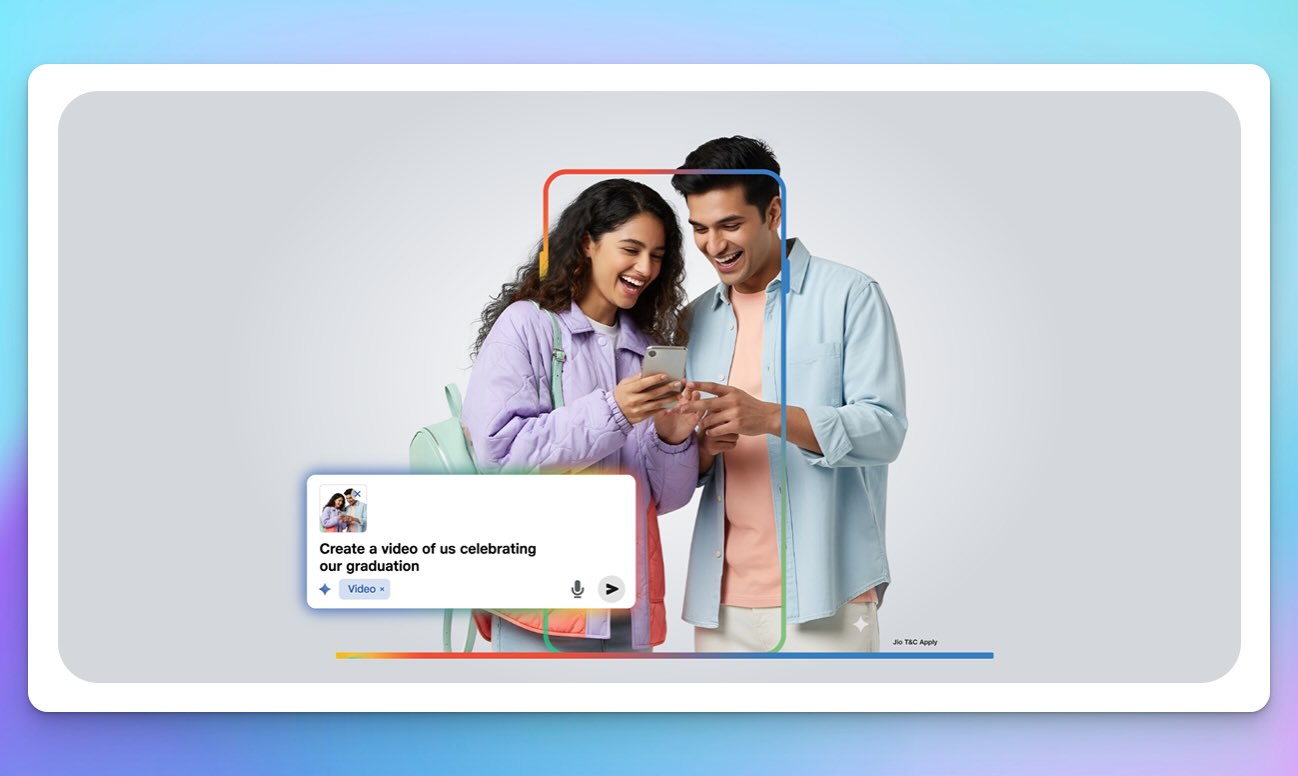
Together, the Meta Ray-Ban Display and the Neural Band unlock a host of powerful new features. The integration of Meta AI with the visual display is a major leap, transforming the AI from a simple voice assistant into a dynamic, visual guide. It can now show you step-by-step instructions for a task, rather than just reading them aloud. Staying connected becomes effortless; users can privately view texts, WhatsApp messages, and even Reels directly on the glasses. The live video call feature is particularly impressive, allowing users to share their perspective with friends and family in real-time. The glasses also offer a real-time camera viewfinder for capturing the perfect shot, pedestrian navigation with a visual map, and live captioning and translation of conversations, breaking down language barriers on the fly.
Beyond the innovative technology, Meta has also focused on practical design. The glasses feature Transitions® lenses, allowing them to be worn indoors and outdoors, day and night. With up to six hours of mixed-use battery life and a portable charging case that extends that to 30 hours, the device is built for all-day wear. The Neural Band is equally robust, with an IPX7 water rating and a durable yet comfortable design. This new product, priced at an accessible $799 USD for both the glasses and the band, marks a significant milestone in Meta’s long-term vision.
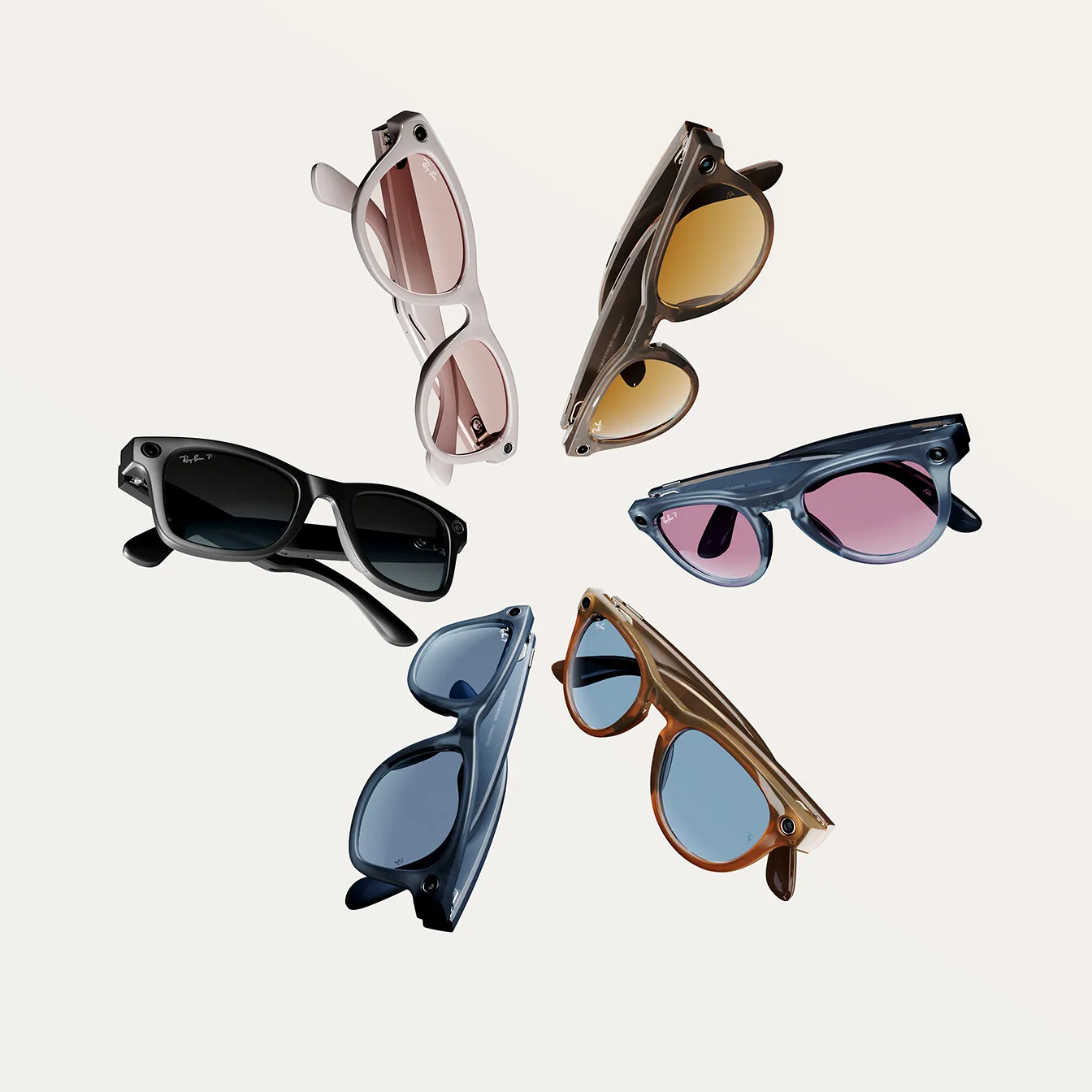
The company is now categorizing its AI glasses into three distinct types: Camera AI glasses (like the existing Ray-Ban and Oakley models), the new Display AI glasses, and the futuristic Augmented Reality (AR) glasses, like the Orion prototype. This clear roadmap demonstrates Meta’s unwavering commitment to building the “next computing platform,” one that places people at the center of their digital and physical worlds. The launch of Meta Ray-Ban Display is not merely the arrival of a new gadget; it’s the beginning of a new chapter for wearable technology, redefining what is possible and bringing us one step closer to a truly integrated reality.